
Vijay Swarup
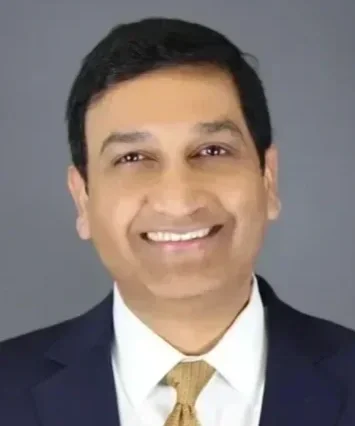
MD, FACC, FHRS
Founder and Executive Director, Arizona Heart Rhythm Center
Founder, Heart Health Center (One of the First EP-Dedicated ASCs in the U.S.) President, Arizona Cardiovascular Research Foundation
Dr. Vijay Swarup is a nationally recognized cardiac electrophysiologist, clinical innovator, and one of the earliest architects of the Ambulatory Surgery Center (ASC) model for complex electrophysiology in the United States. He serves as President of the Arizona Cardiovascular Research Foundation, practices across the Arizona Heart Rhythm Center network, and has been a central leader in the Arizona electrophysiology community since 2002.
Dr. Swarup earned his medical degree from the University of Delhi, completed internal medicine residency and a molecular cardiology research fellowship at Saint Louis University, followed by a cardiovascular disease fellowship at Thomas Jefferson University and a clinical cardiac electrophysiology fellowship at Loyola University Medical Center / University of Chicago Hospitals.
A National Pioneer of EP in Ambulatory Surgery Centers
In 2017, Dr. Swarup established one of the nation’s first dedicated Heart Rhythm ASCs, positioning Arizona at the forefront of outpatient electrophysiology. Under his leadership, the center became the largest-volume outpatient AF ablation program in the United States, performing a scale of procedures unmatched nationally across 2017–2023.
He and his team published early outcomes demonstrating the safety, efficiency, and economic viability of outpatient AF ablation, data that became foundational in national discussions with CMS. These publications—combined with his direct engagement in policy, economics, and safety modeling—played a major role in the eventual approval of AF ablation codes on the ASC Covered Procedures List, a milestone that redefined the future of electrophysiology.
Dr. Swarup remains one of the most experienced EP ASC operators in the country and maintains the largest known ASC-based EP outcomes dataset, enabling him to guide best practices in ASC workflow, anesthesia strategy, safety protocols, and operational efficiency. His expertise spans every operational dimension: clinical modeling, accreditation, vendor strategy, throughput design, contracting, and national benchmarking.
Leadership in Advocacy and National Policy
Dr. Swarup has been an active figure in national EP and ASC advocacy, participating in federal and specialty-level discussions that shaped CMS policy on outpatient electrophysiology. His early data, real-world operational experience, and consistent advocacy at national forums helped articulate the safety and necessity of shifting AF ablation into the ASC environment. He continues to participate in ASC reform, payment modeling, and value-based frameworks for electrophysiology nationwide.
Clinical Innovation and Research Leadership
Throughout his career, Dr. Swarup has repeatedly broken new ground in Arizona—performing many of the region’s first epicardial VT ablations, 3D mapping–guided VT procedures, robotic catheter ablations, irrigated AF ablations, and left atrial appendage closure (LAAO) device implantations. Today he leads one of the most comprehensive AF/VT ablation and LAAO programs in the Southwest.
As President of the Arizona Cardiovascular Research Foundation, he oversees a robust research portfolio including industry-sponsored trials, device innovation initiatives, and investigator-initiated studies spanning electrophysiology, autonomic modulation, and structural heart interventions. His work has been featured at HRS, ACC, TCT, AHA, and other premier scientific venues.
A Visionary for the Future of Outpatient Electrophysiology
Dr. Swarup’s work unites procedural mastery, rigorous scientific inquiry, and a clear vision for the future of arrhythmia care: a world where complex electrophysiology is delivered more safely, efficiently, and equitably through high-performance ASCs. His early innovations, national advocacy, and unmatched ASC expertise continue to shape how the field evolves—clinically, scientifically, and structurally.